/ News
Views: 633
Tinubu rewrites Nigeria’s justice history
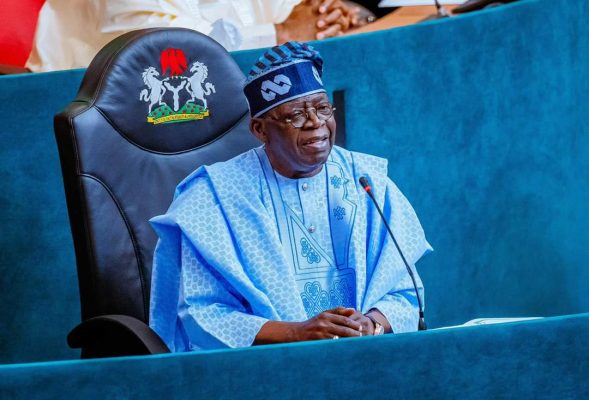
President Bola Tinubu has approved a total of 175 pardons, including those of Nigeria’s founding nationalist Herbert Macaulay and former Federal Capital Territory Minister Major General Mamman Vatsa (retd), who was executed in 1986 on charges of treason.
The announcement, made after Thursday’s meeting of the National Council of State in Abuja, has stirred curiosity over the motives and timing of the President’s decision to revisit some of Nigeria’s most controversial convictions.
While Vatsa’s execution remains one of the most debated outcomes of the Babangida era, Macaulay’s inclusion rekindles questions surrounding colonial-era justice. Convicted twice by British authorities in Lagos, Macaulay’s 1913 trial for allegedly misappropriating estate funds has long been viewed by historians as politically motivated. Over a century later, his posthumous pardon symbolically restores his place among Nigeria’s revered patriots.
The Council’s endorsement also led to the release of several high-profile figures, including former lawmaker Farouk Lawan and three others Anastasia Daniel Nwaobia, Barrister Hussaini Umar, and Ayinla Saadu Alanamu said to have shown “sufficient remorse” and readiness for societal reintegration. Others granted clemency include Nweke Francis Chibueze, serving a life sentence for cocaine offences, and Dr. Nwogu Peters, who had completed 12 of a 17-year term for fraud.
In what appeared to be a gesture toward national healing, the government also extended formal pardons to the Ogoni Nine: Ken Saro-Wiwa, Saturday Dobee, Nordu Eawo, Daniel Gbooko, Paul Levera, Felix Nuate, Baribor Bera, Barinem Kiobel, and John Kpuine nearly three decades after their execution under military rule. In addition, President Tinubu awarded posthumous national honours to the Ogoni Four: Chief Albert Badey, Chief Edward Kobani, Chief Samuel Orage, and Theophilus Orage.
Beyond these symbolic gestures, the President exercised his constitutional prerogative of mercy to grant clemency to 82 inmates, reduce the sentences of 65 others, and commute the death sentences of seven inmates to life imprisonment. The actions followed the recommendations of the Presidential Advisory Committee on the Prerogative of Mercy (PACPM), chaired by the Attorney General and Minister of Justice, Prince Lateef Fagbemi (SAN).
The 12-member committee also included Chief Akinlolu Olujinmi, Prof. Alkasum Abba, Prof. (Mrs.) Nike Sidikat Ijaiya, Justice Augustine Utsaha, and Dr. Onwusoro Maduka as Secretary, alongside representatives from key institutions such as the Police, Correctional Service, Human Rights Commission, and religious councils. Their final report, submitted to the Council of State, provided detailed insight into the process and criteria used in selecting beneficiaries.
According to the report, “A total of 175 inmates were interviewed, and 62 applications were received on behalf of 119 inmates considered by the committee, making it a total of 294. One hundred and sixty were male, while 15 were female. Eighty-two inmates were recommended for clemency; two for pardon; sixty-five for sentence reduction, and seven on death row for commutation to life imprisonment.” It further confirmed that fifteen ex-convicts eleven of them deceased, including the Ogoni Nine were proposed for posthumous pardon and honours.
The committee’s selection criteria included old age (60 years and above), terminal illness, juvenile offenders, and long-term convicts with exemplary prison records. It also favoured those who had acquired vocational skills, demonstrated remorse, or were deported Nigerian prisoners from other countries. Analysts, however, suggest that while the pardon list is legally grounded, it could reignite debates about consistency, justice reform, and selective mercy within Nigeria’s correctional system.
Inaugurated on January 15, 2025, by the Secretary to the Government of the Federation, Sen. George Akume, the PACPM was introduced as a reform-driven mechanism to balance rehabilitation with justice. Yet, as the nation welcomes this latest wave of clemency, questions linger over whether presidential mercy can truly heal the historical scars of colonial and military-era convictions or whether it simply reopens them in the name of national reconciliation.