/ Oil & gas
Views: 270
Future of Gas Safety Begins with National Cylinder Recirculation Programme Launch in Abuja
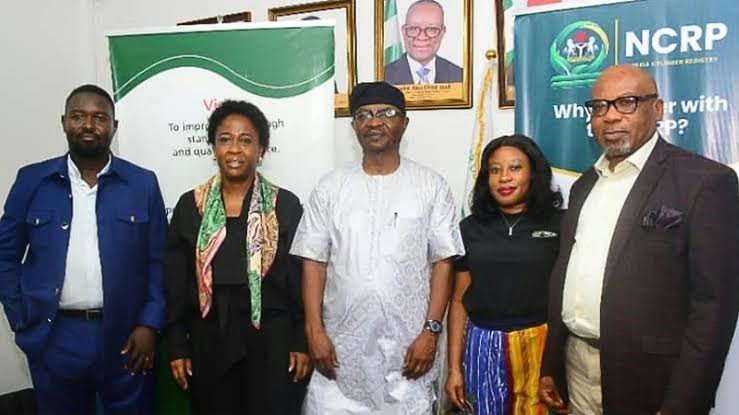
The future of gas safety is born with the National Cylinder Recirculation Programme (NCRP), an initiative prioritising liquefied petroleum gas (LPG) cylinder safety, digital tracking and the removal of expired, damaged and poorly maintained cylinders from circulation.
The programme, led by the Standards Organisation of Nigeria (SON) in partnership with the Nigerian Midstream and Downstream Petroleum Regulatory Authority (NMDPRA), will be officially unveiled in Abuja on Wednesday, October 28th, at 11am.
The announcement was made during a press briefing held at SON’s Operational Headquarters in Lagos on Friday, October 23rd. The NCRP establishes a national framework for cylinder registration, inspection, requalification and safe recirculation, addressing concerns over cylinders whose conditions could pose risks to consumers and property.
SON’s Director-General and Chief Executive Officer, Dr Ifeanyi Chukwunonso Okeke, said safe LPG use requires more than access to gas, stressing the importance of quality standards, responsible handling and effective lifecycle tracking. “Through the NCRP, we are unifying statutory quality control with digital traceability to protect Nigerian lives and property while building consumer trust in clean energy,” he said.
At the heart of the programme is FuelTree Technology’s virtual Cylinder Recirculation Management System (vCRM), which assigns unique digital identities to cylinders and tracks their registration, inspection, requalification, filling, distribution and exchange. Under the framework, cylinders will undergo assessment at authorised requalification facilities, while those that fail the required safety checks will be withheld for corrective action or disposal.
Consumers will be able to exchange existing cylinders through approved retailers, with collected cylinders sent for inspection and requalification. The system is designed to progressively replace unsafe cylinders in circulation while improving access to compliant alternatives. The programme also aims to strengthen coordination among regulators, manufacturers, LPG marketers, filling plants, retailers and distribution operators.
Beyond safety, the NCRP is expected to create opportunities for local cylinder manufacturing, requalification services, logistics, investment and employment across the gas value chain. It could also support clean cooking initiatives and attract climate finance through the measurement and verification of environmental benefits, subject to applicable methodologies, independent verification and regulatory approvals. Better Gas is among the participating operators, while the Nigerian Association of Liquefied Petroleum Gas Marketers has stressed the need to withdraw obsolete cylinders.
Following Wednesday’s Abuja launch, the NCRP is expected to proceed with stakeholder onboarding, digital registry integration and phased implementation across Nigeria’s six geopolitical zones.