/ News
Views: 192
Delta CP Meets Civil Society Groups, Pledges Zero Tolerance for Police Misconduct
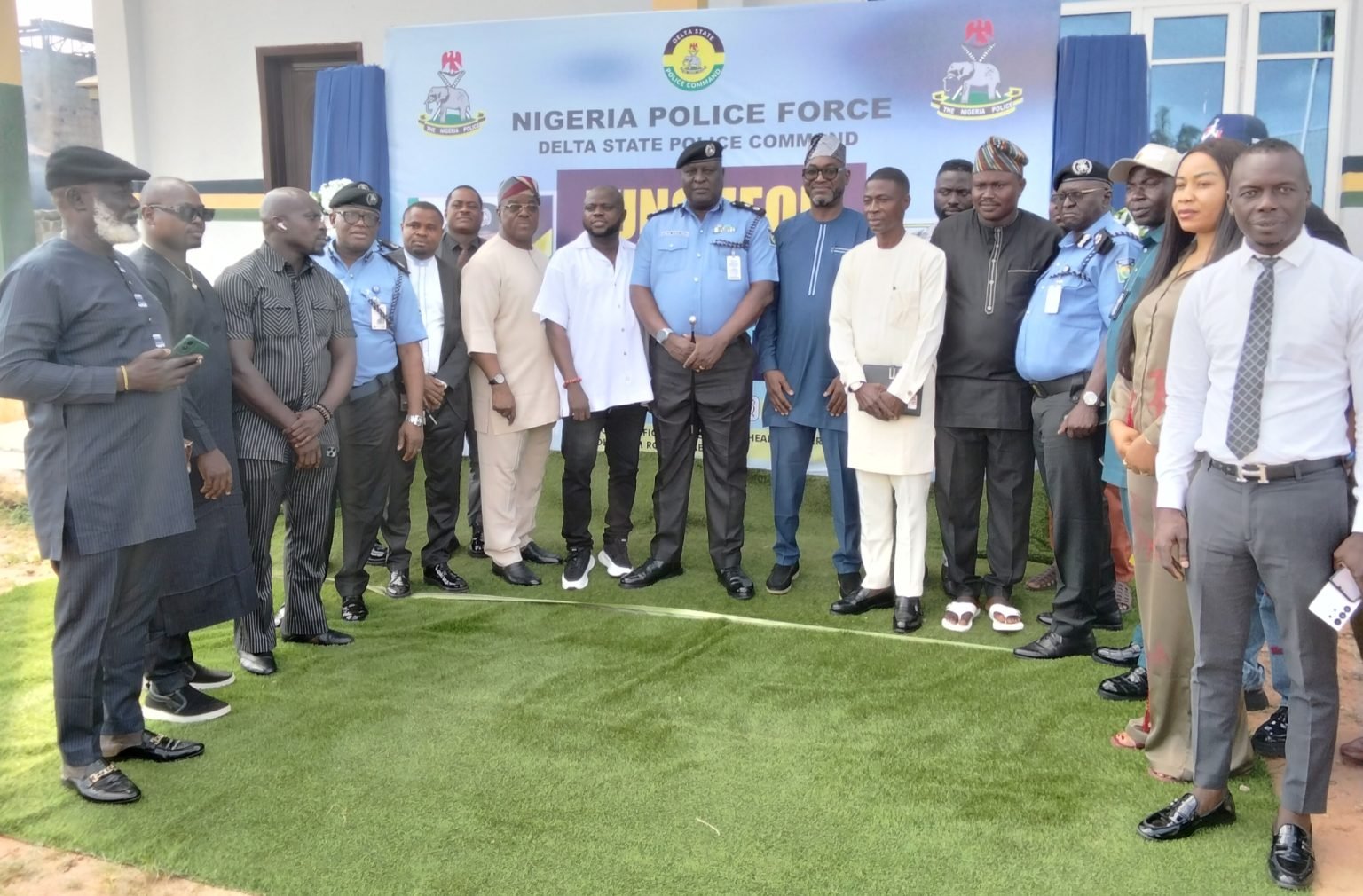
The Commissioner of Police in Delta State, CP Samuel E. Erale, has reaffirmed the command’s commitment to professionalism, human rights protection and zero tolerance for extortion and other forms of police misconduct.
Erale gave the assurance on Wednesday, October 21, 2026, during an interactive meeting and luncheon with Civil Society Organisations (CSOs) at the Officers’ Mess in Asaba, the state capital.
The meeting was organised in line with the directive of the Inspector-General of Police, IGP Olatunji Rilwan Disu, to strengthen police-community relations, promote stakeholder engagement and safeguard citizens’ fundamental human rights.
The event provided a platform for discussions on police accountability, public safety, human rights protection and improved cooperation between the police and civil society groups.
Addressing participants, Erale acknowledged the important role of civil society organisations in promoting accountability and building public confidence in the police.
He assured stakeholders of improved access to the command, prompt attention to legitimate complaints and sustained engagement with civil society groups, stressing that the command was committed to building a relationship based on mutual trust, transparency and shared responsibility for peace and security.
In his presentation titled, “The Role of Civil Society, the Police and Citizens in Societal Development,” the Chairman of the Board of Trustees of the Citizens Rights Concern Enhancement Initiative (CRCEI) and Executive Director of Value Rebirth and Empowerment Initiative (VREI), Pastor Edewor Egedegbe, commended Erale for initiating the engagement.
Egedegbe described the meeting as a welcome development that could strengthen relations between the police and citizens and improve public trust in law enforcement.
He said societal development depended on improving the quality of life, security, justice and general well-being of the people, noting that no single institution could achieve these goals alone.
According to him, civil society organisations promote human rights, good governance, civic education, conflict prevention, peacebuilding and community mobilisation, while also supporting vulnerable people and holding public and private institutions accountable through constructive engagement.
He noted that the police had the responsibility to protect lives and property, prevent crime, maintain public order, safeguard human rights and support the administration of justice.
“Professionalism, integrity, impartiality and accountability are essential to building public trust,” he said.
Egedegbe also urged citizens to obey the law, report crimes responsibly, cooperate with legitimate security agencies, reject mob justice and violence, respect diversity and participate actively in community development.
He called for stronger partnerships among civil society groups, law enforcement agencies and community members, describing platforms such as the luncheon as important avenues for sustained dialogue, public enlightenment, conflict prevention and victim support.
Identifying corruption, political interference, unprofessional conduct, limited citizen participation and lack of public trust as challenges to societal progress, Egedegbe called for stronger professional ethics, improved community policing, civic education, institutional capacity and transparent accountability mechanisms.
“We must deepen our collaboration to create secure communities, advance justice and ensure sustainable progress,” he said.
Also speaking, the Delta State Coordinator of the National Human Rights Commission (NHRC), Mr Chia Shaku Nor, said the commission worked with the police to promote and protect human rights.
Nor stressed that the commission did not seek to antagonise institutions, agencies or individuals in carrying out its statutory responsibilities, adding that the supremacy of the law remained paramount.
He pledged the commission’s cooperation with the Delta State Police Command in ensuring the protection of human rights and urged the commissioner to maintain an open-door policy to allow issues to be resolved amicably.
“Keep your doors open so we can reach out to you to resolve issues amicably,” he said.
Similarly, the National Secretary of CRCEI, activist Kelvin Ejumudo, and Comrade Umukoro Efemena commended Erale for convening the meeting, describing it as a positive step towards improved policing and human rights protection.
They pledged the support of civil society groups for policies aimed at strengthening accountability and safeguarding citizens’ rights, while promising to practise responsible activism guided by the principles of Consult, Consolidate and Confront.
The activists urged police officers to respect citizens’ fundamental rights, noting that public trust grows when officers act as protectors but declines when they become a source of fear.
They also emphasised that the protection of citizens’ rights should go hand in hand with respect for the rights of law enforcement personnel.
Meanwhile, Civil Rights Advocate Atiku Sunday presented a goodwill message from the Director-General of the Conference for the Actualisation of Human Rights (CONFAB), Omemiroro Ogedegbe, Esq.
The message commended the engagement as an important step towards strengthening mutual trust, protecting human rights, promoting accountability and improving community safety.
It called on the police and civil society stakeholders to work together towards building a society where justice, peace and public confidence prevail.
Other human rights advocates and civil society representatives also contributed to discussions at the meeting.
Those in attendance included Comrade Austin Ozobo, Publisher of Congress Newspaper; Civicist Rex Anighoro; Senior Special Assistant to the Delta State Governor on Civic Engagement and Civil Society, Comrade Godstime Ukuanovwe; and several other activists and civil society leaders.
The meeting underscored the importance of sustained dialogue and cooperation among the police, civil society organisations and citizens in promoting accountable policing, protecting human rights and strengthening security across Delta State.