/ News
Views: 7
Coastal Highway: Niger Delta Group Urges Tinubu, Umahi to Restore Original Lagos-Calabar Route
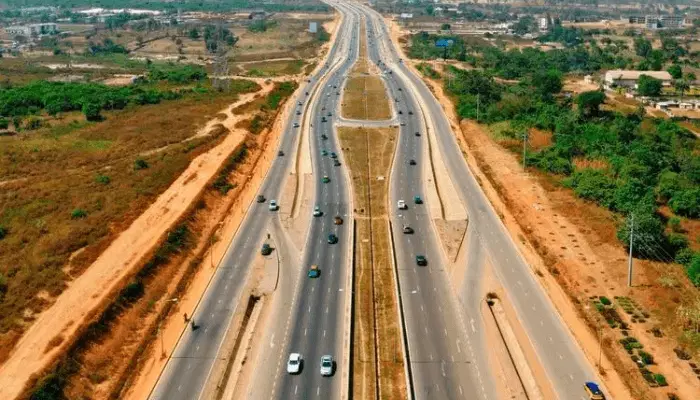
The Centre for Human Rights and Anti-Corruption Crusade (CHURAC) has urged President Bola Ahmed Tinubu, Minister of Works David Umahi and the National Assembly to reverse what it described as an injustice against Niger Delta coastal communities and restore the original Lagos-Calabar coastal highway alignment. The group alleged that diverting the project towards the existing East-West Road corridor would deepen the region’s longstanding marginalisation.
CHURAC Chairman, Board of Trustees, Cleric E. Alaowei, Esq., made the appeal in a statement sent to our correspondent in Warri, arguing that the two roads serve different purposes. “The East-West Road already exists and can be dualized or rehabilitated,” he said, insisting that the coastal highway was conceived as a new economic corridor for communities along Nigeria’s coastline. “Merging both projects into one is not coastal, it is not fair, and it is not acceptable.”
Alaowei traced the coastal highway proposal to 1955, when former Finance Minister Chief Festus Okotie-Eboh first introduced the idea. He said a security task force established under former President Olusegun Obasanjo recommended the construction of the Lagos-Calabar route in 2001, while the administration of the late President Umaru Musa Yar’Adua subsequently conducted a feasibility study and awarded the project to five companies, with the Niger Delta Development Commission (NDDC) assigned a supervisory role. He added that Yar’Adua’s death halted the project’s execution.
The CHURAC chairman argued that the existing road network leaves large parts of the coastal region inaccessible. He cited Ese-Odo and Ilaje local government areas of Ondo State, coastal communities in Delta State, and extensive parts of Bayelsa, Rivers and Akwa Ibom as areas inadequately connected to the hinterland. According to him, restoring the original alignment would improve access to markets, healthcare and economic opportunities while unlocking the region’s tourism potential. He maintained that Nigeria had the financial capacity to undertake major coastal infrastructure projects, including bridges and tunnels where necessary.
“Our people have suffered enough. This is a time to correct historical neglect, not to compound it,” Alaowei said, warning that changing the highway’s alignment would dash the expectations of millions of coastal residents who had welcomed Tinubu’s decision to pursue the project. He described the alleged diversion as a major injustice to the Niger Delta’s oil-producing communities, arguing that the original route was essential to addressing decades of neglect and ensuring that coastal communities benefit from the country’s infrastructure development.